

Cycling Training
“It’s like riding a bike.” A phrase commonly said regarding picking up an old habit. But what about training to improve at riding a bike? How is one to strengthen their body in the intricate muscle groups that play important roles in cycling? What muscles need to be trained, and how does a cyclist ensure they train for longevity in the sport? Longevity is essentially the middle name of cycling, as it is severely low-impact, a hero to the body’s joints. Let’s explore top tips for training well for cycling. With a look at how Compex can support the body’s recovery and strength training along the way, your cycling training just got a whole lot more efficient. So you can pick it up anytime. It is, after all, just like riding a bike.
Compex Electrostimulation Training Program for Cycling
| Offseason / Preseason Prep | Monday | Tuesday | Wednesday | Thursday | Friday | Saturday | Sunday |
|---|---|---|---|---|---|---|---|
|
Week 1
Week 1(static) |
[Resistance] Quads and Calves |
[Resistance] Shoulders and Deltoids |
[Resistance] Forearms |
[Resistance] Quads and Calves |
[Resistance] Shoulders and Deltoids |
[Resistance] Forearms |
|
|
Recovery
Recovery |
[Pre warm up or training recovery] minimum 6 minutes |
[Pre warm up or training recovery] minimum 6 minutes |
[Pre warm up or training recovery] minimum 6 minutes |
[Pre warm up or training recovery] minimum 6 minutes |
[Pre warm up or training recovery] minimum 6 minutes |
[Pre warm up or training recovery] minimum 6 minutes |
[Pre warm up or training recovery] minimum 6 minutes |
|
Week 2
Week 2(static) |
[Resistance] Quads and Calves |
[Resistance] Shoulders and Deltoids |
[Resistance] Forearms |
[Resistance] Quads and Calves |
[Resistance] Shoulders and Deltoids |
[Resistance] Forearms |
|
|
Recovery
Recovery |
[Pre warm up or training recovery] minimum 6 minutes |
[Pre warm up or training recovery] minimum 6 minutes |
[Pre warm up or training recovery] minimum 6 minutes |
[Pre warm up or training recovery] minimum 6 minutes |
[Pre warm up or training recovery] minimum 6 minutes |
[Pre warm up or training recovery] minimum 6 minutes |
[Pre warm up or training recovery] minimum 6 minutes |
|
Week 3
Week 3(add dynamic based on how body feels) |
[Resistance] Quads and Calves |
[Resistance] Shoulders and Deltoids |
[Resistance] Forearms |
[Resistance] Quads and Calves |
[Resistance] Shoulders and Deltoids |
[Resistance] Forearms |
|
|
Recovery
Recovery |
[Pre warm up or training recovery] minimum 6 minutes |
[Pre warm up or training recovery] minimum 6 minutes |
[Pre warm up or training recovery] minimum 6 minutes |
[Pre warm up or training recovery] minimum 6 minutes |
[Pre warm up or training recovery] minimum 6 minutes |
[Pre warm up or training recovery] minimum 6 minutes |
[Pre warm up or training recovery] minimum 6 minutes |
|
Week 4
Week 4(add dynamic based on how body feels) |
[Resistance] Quads and Calves |
[Resistance] Shoulders and Deltoids |
[Resistance] Forearms |
[Resistance] Quads and Calves |
[Resistance] Shoulders and Deltoids |
[Resistance] Forearms |
|
|
Recovery
Recovery |
[Pre warm up or training recovery] minimum 6 minutes |
[Pre warm up or training recovery] minimum 6 minutes |
[Pre warm up or training recovery] minimum 6 minutes |
[Pre warm up or training recovery] minimum 6 minutes |
[Pre warm up or training recovery] minimum 6 minutes |
[Pre warm up or training recovery] minimum 6 minutes |
[Pre warm up or training recovery] minimum 6 minutes |
|
Week 5
Week 5(add dynamic based on how body feels) |
[Resistance] Quads and Calves |
[Resistance] Shoulders and Deltoids |
[Resistance] Forearms |
[Resistance] Quads and Calves |
[Resistance] Shoulders and Deltoids |
[Resistance] Forearms |
|
|
Recovery
Recovery |
[Pre warm up or training recovery] minimum 6 minutes |
[Pre warm up or training recovery] minimum 6 minutes |
[Pre warm up or training recovery] minimum 6 minutes |
[Pre warm up or training recovery] minimum 6 minutes |
[Pre warm up or training recovery] minimum 6 minutes |
[Pre warm up or training recovery] minimum 6 minutes |
[Pre warm up or training recovery] minimum 6 minutes |
Tips on how to use our cycling training program
- The above plan is a recommendation, but the overall goal is to use the resistance program on each muscle group twice a week.
- Static means you are stationary in a comfortable position.
- Dynamic work (body squats or calf raises) should only be done during the season.
- Remain standing whenever using the resistance program on your calves.
- During your workouts should be the full workout period of 12 minutes.
- During the season, use Pre Warm for pre-game and during game sessions. For post-game recovery sessions, use Pre Warm Up or Competition Recovery for a minimum of 6 minutes**. The longer, the better!
- The plan above is meant for season prep, however, if you continue your workouts in season the recommendation is still 2 times a week per muscle group, but instead of the full 12 minute workout, aim for 8 minutes or less depending on how your body feels.
Featured Products
Optimize your performance with Compex
-
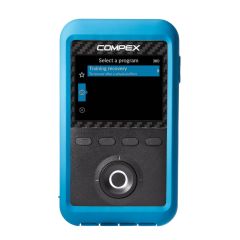
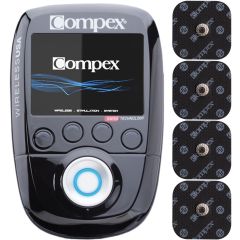 Special Price $599.99 Regular Price $799.99On Sale 25% Off Save $200.00Free ShippingFDA 510(k) cleared wireless muscle stim device designed to give maximum mobility while utilizing each of the 10 Compex programs. The programs can help enhance your performance, speed up recovery, and even manage pain with TENS.
**Delivery requires signature
-
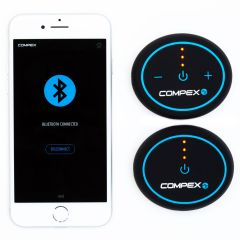 Special Price $249.99 Regular Price $319.99On Sale 22% Off Save $70.00FREE ShippingWireless, mobile, smart-stim device. The Compex Mini Wireless can take your training to the next level in the palm of your hand. Connecting to your smartphone, the Compex Mini Wireless FDA-510(k) cleared electric muscle stim device and TENS machine is designed to help you tackle your warm-up, training, recovery, and pain management, whether on the go, gym or home.
How Does Cycling
Support Joint Health?
The sport of cycling does offer a major advantage over many sports, in that it does not require nearly as much recovery as other sports and training regimes — relatively, of course. The human body needs to rest and recover in order to prolong its wellness and physical ability to engage in physical activity well. In what ways is cycling superior to others, in terms of joint health?
Active Recovery
Cycling promotes blood circulation and helps flush out metabolic byproducts that accumulate in muscles during intense physical activity. This can aid in reducing muscle soreness and promoting faster recovery after more strenuous exercises.
Add Compex muscle stimulators to that, and you’ve got a pairing that primes the body for top tier recovery. Muscle stimulators can increase blood flow while flushing out lactic acid. As more oxygen and nutrients are sent to muscles, cyclists can recover faster and prevent delayed onset muscle soreness (DOMS). This plays a key role in promoting healthy joints, which is further supported by the sport of cycling itself.
Low Risk of Overuse
While many sports that use muscles repetitively can cause stress and tears over time, the cycling motion is different. The controlled and repetitive nature of the pedaling motion offers a more consistent workload on muscles and joints, which lowers the risk of strain from sudden or excessive movements.
Smooth Repetitive Motion
The pedaling motion in cycling is relatively smooth, especially when compared to activities with sudden impacts or ongoing pounding on the joints. The inherent smoother motion of cycling greatly lowers the risk of joint injuries and minimizes stress on connective tissues. When you add Compex muscle stimulators to your cycling recovery, you bring an additional layer of support to reduce inflammation of the joints. Ride on.
How do I Increase My
Cycling Endurance?
The sport of cycling is, at its core, an endurance sport. Holding on for those long pulls to last the extra length of road requires strengthening muscles to endure past their typical limits. Improving endurance for cycling involves a combination of strategic training and consistent time riding. To boost your stamina on the bike, consider incorporating interval training into your routine. High-intensity intervals followed by periods of lower intensity help build cardiovascular fitness and increase your ability to sustain effort over extended periods. Consistency is key; aim for regular rides to gradually build up your endurance. Include both shorter, intense rides and longer, steady-state rides in your training plan to challenge different energy systems. Strengthening your core and leg muscles through off-bike exercises can also contribute to improved endurance and overall cycling efficiency.
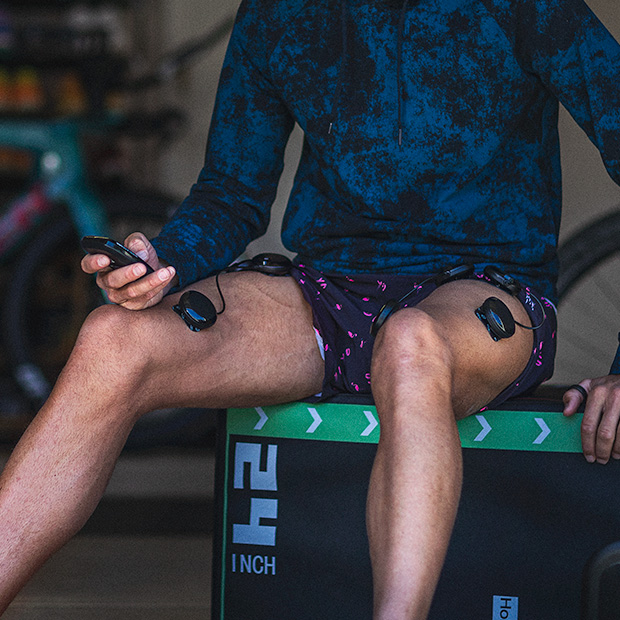
To level up your endurance training for cycling, add Compex muscle stimulator tools into your regular routine. The Compex devices utilize electrical impulses to activate your muscles. The stimulation helps to increase blood flow, build strength, and speed up recovery. Compex muscle stimulators can help you target specific muscle groups, which offers a well-rounded approach to your training. As cycling will primarily utilize slow-twitch muscles, you can target these specifically, and make your training that much more efficient. Place the tabs on your quad muscles, and you can activate the slow twitch muscle fibers. Increasing the strength of slow twitch muscles grows your endurance over time, as well as plays a role in preventing fatigue.
How can I Cycle Faster?
Increasing your cycling speed involves a combination of refining your technique, building strength and endurance, and optimizing your bike setup.
Importance of posture
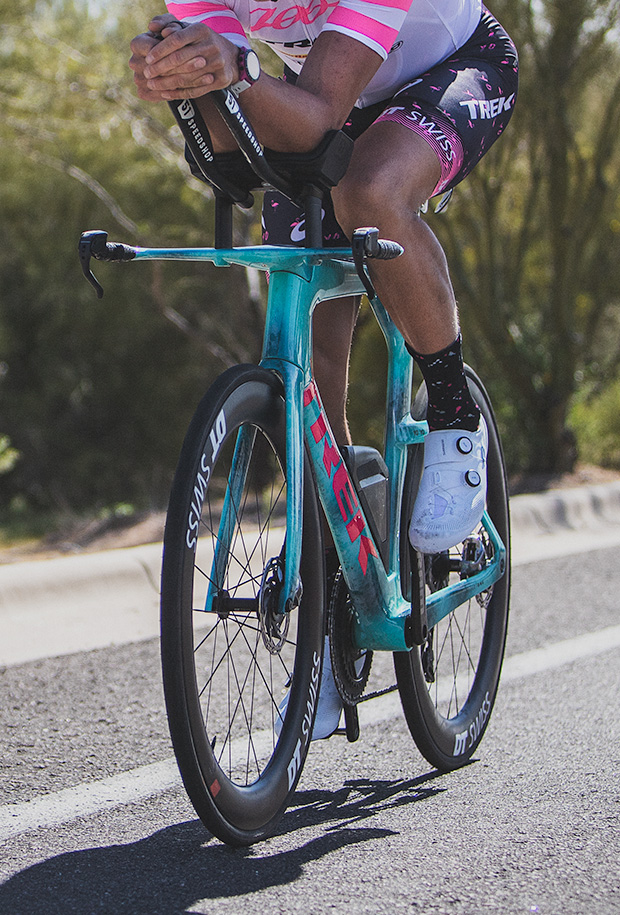
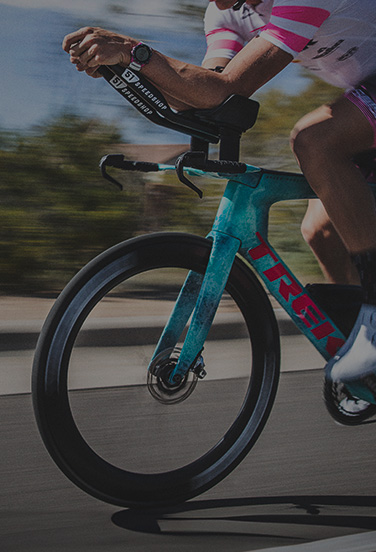
First and foremost, focus on your riding position and pedal stroke efficiency. Maintaining a streamlined posture and pedaling smoothly can reduce both wind resistance and wasted energy.
Interval training for power
Similar to endurance training, incorporate interval training into your routine to improve your cardiovascular fitness and power output. Just as the intervals strengthen your muscles to hold on for the long pulls, the bursts of power train your cardiovascular system to be able to handle faster speeds. High-intensity intervals, where you push yourself to near-maximal effort, can enhance your body's ability to sustain higher speeds.
Strength training
Work on building strength in your legs, core, and lower back through targeted off-bike exercises. Just like sprinting in or increasing speed in any sport, stronger muscles will uphold quicker speeds. Focus on training your quads, glutes, and hamstrings, as well as your core strength to support your body for long lengths of time in the saddle.
As you train for speed by integrating intervals and strength exercises, Compex muscle stimulators can enhance your training. Compex tools activate the muscles, engaging them for a quicker response prior to training. When you maximize the muscle fibers utilized in a specific moment, you can build more muscle in less time than your typical training schedule. Watch your strength grow and ride further.
Ultimately, time on the road (or stationary bike) will improve your time and speed as a cyclist. The great thing about cycling today is that technological advancements can benefit us in ways that even enhance our cycling performance. Add Compex muscle stimulators to your cycling training, and experience climbing hills and reaching speeds like never before.
The contents of this blog were independently prepared and are for informational purposes only. The opinions expressed herein are those of the author and are not necessarily indicative of the views of any other party. Individual results may vary depending on a variety of patient-specific attributes and related factors.
Featured Products
Optimize your performance with Compex
-
Special Price $599.99 Regular Price $799.99On Sale 25% Off Save $200.00Free ShippingFDA 510(k) cleared wireless muscle stim device designed to give maximum mobility while utilizing each of the 10 Compex programs. The programs can help enhance your performance, speed up recovery, and even manage pain with TENS.
**Delivery requires signature
-
Special Price $249.99 Regular Price $319.99On Sale 22% Off Save $70.00FREE ShippingWireless, mobile, smart-stim device. The Compex Mini Wireless can take your training to the next level in the palm of your hand. Connecting to your smartphone, the Compex Mini Wireless FDA-510(k) cleared electric muscle stim device and TENS machine is designed to help you tackle your warm-up, training, recovery, and pain management, whether on the go, gym or home.